Can you check the result?
After a round, you should be able to match what happened without asking the site.









After a round, you should be able to match what happened without asking the site.
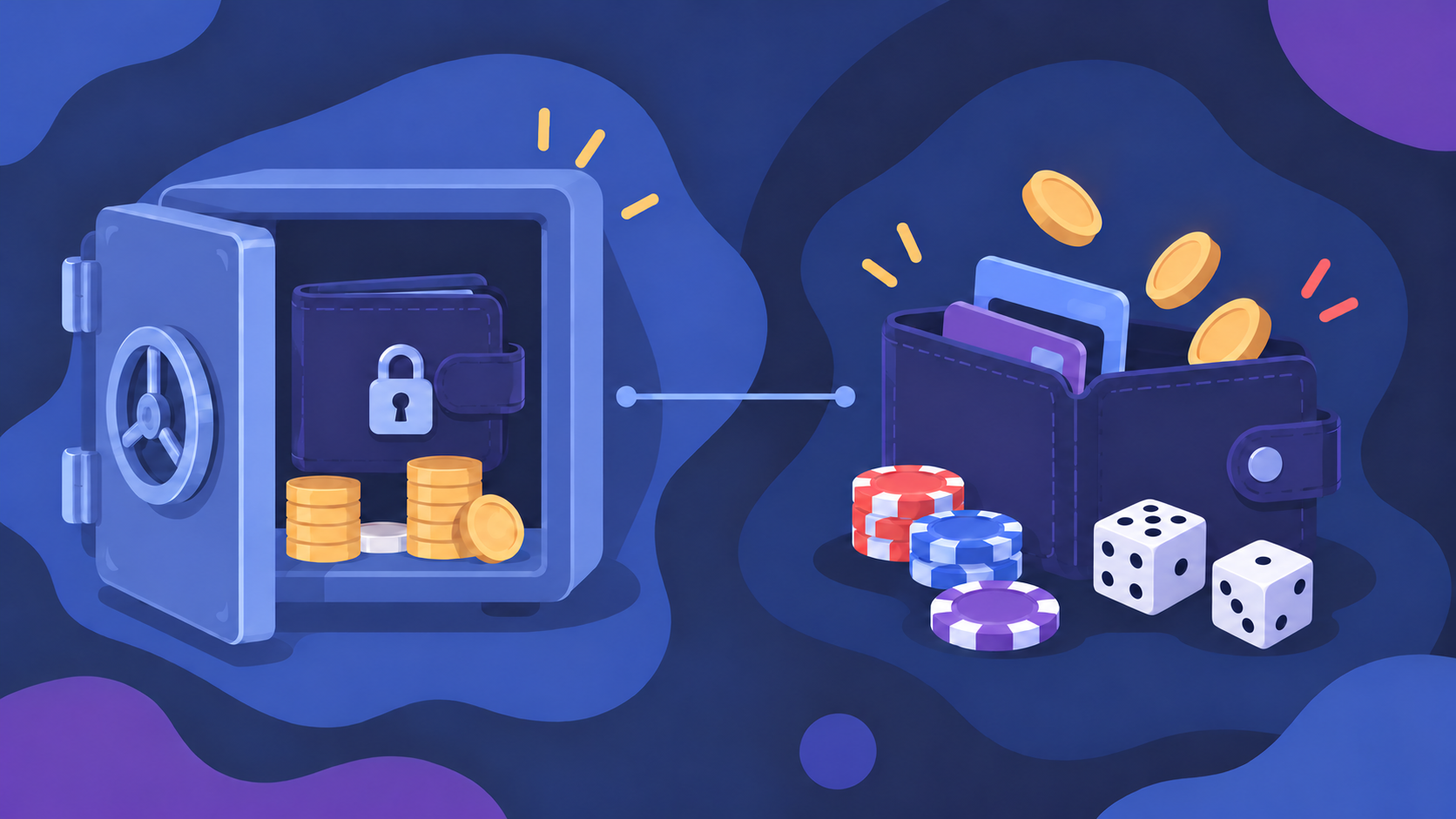
Use a small wallet for play. Do not keep savings in the same place.
If the site can pause or void after you click, the check is already weak.
How much you must play, which games count, and the cap on cashing out.
Things to look at before you play.
If you would like to learn more about the technical workings of provably fair algorithms, you can download the whitepaper.
In a PvP game you play another player, not the house. When you both choose at the same time, the risk is not a swapped result. It is someone seeing your move before they make theirs.
Before the round closes, your move is locked in a hash. The hash hides your move but fixes it.
Your opponent's seal should appear on your screen before anything is revealed. If it only appears afterwards, you can't tell when it was made.
After the round, both moves are revealed. Hash each one and match it to the seal you saw. Each seal should be timestamped before the round ended.
This applies to games where both players choose at the same time. In turn-based games, seeing the other move is part of the game.
It shows neither move was changed or seen early through the game. It doesn't show who is on the other side, or that the app on your device only sent the seal.
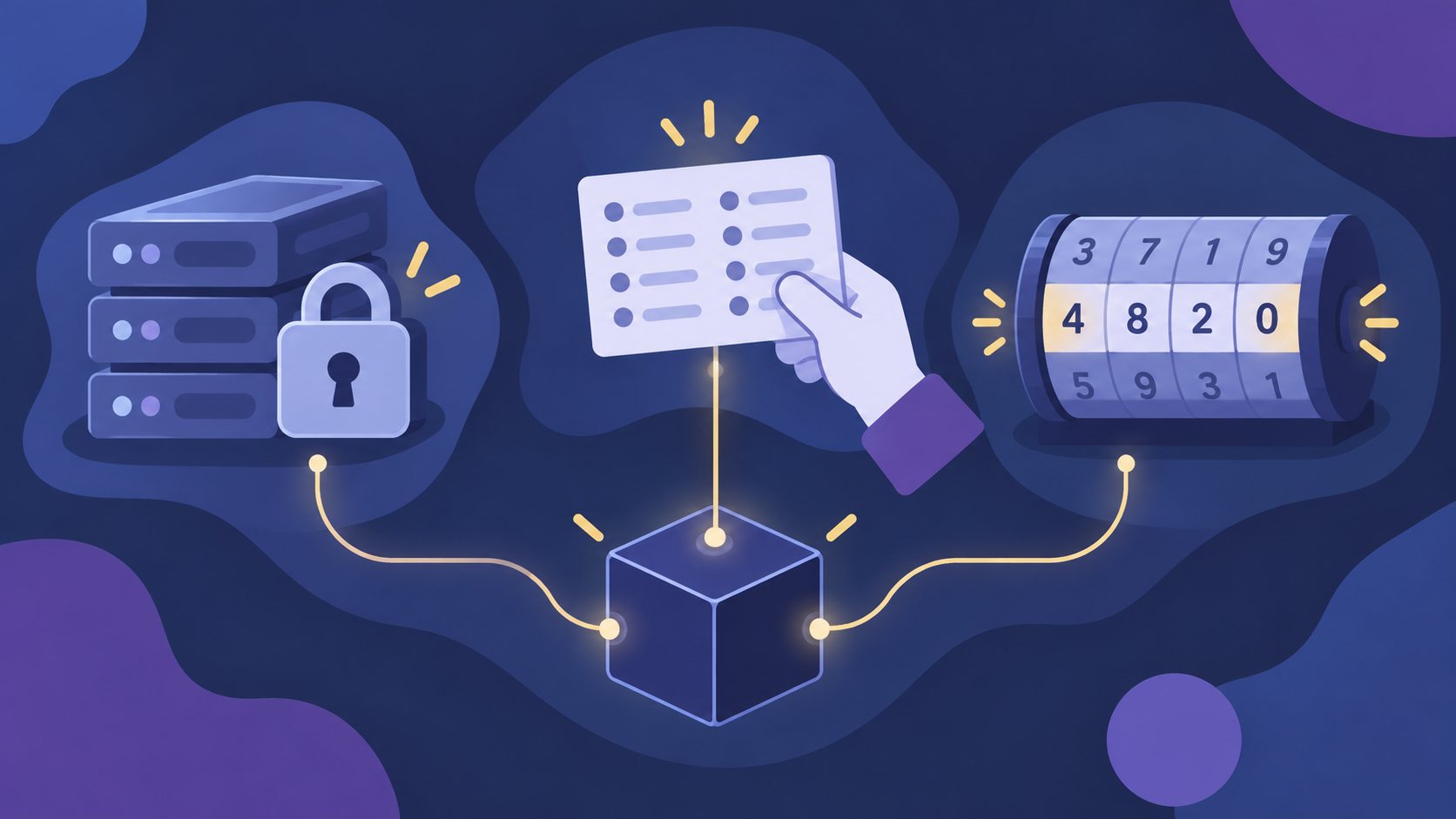
It means the site commits to its number before the round by sealing it in a hash you can see. After the round it reveals the number, and you can check it matches the seal you saw. It proves the result was not swapped after you clicked. It says nothing about the terms, the payouts, or the desk behind the brand.
The server seed is the site's secret number, shown to you as a hash before you play. The client seed is yours, and you should set it yourself rather than accept the default, and set a new one each time the site changes its seed. A counter called the nonce moves each round so the same two seeds never repeat a result. Together, the three values produce every outcome.
Copy the hash shown before you play. When the round settles, the site reveals its server seed. Hash that reveal yourself and compare it to what you copied. Then rerun the published formula with your client seed and the round nonce. The result you calculate should be the result you were shown.
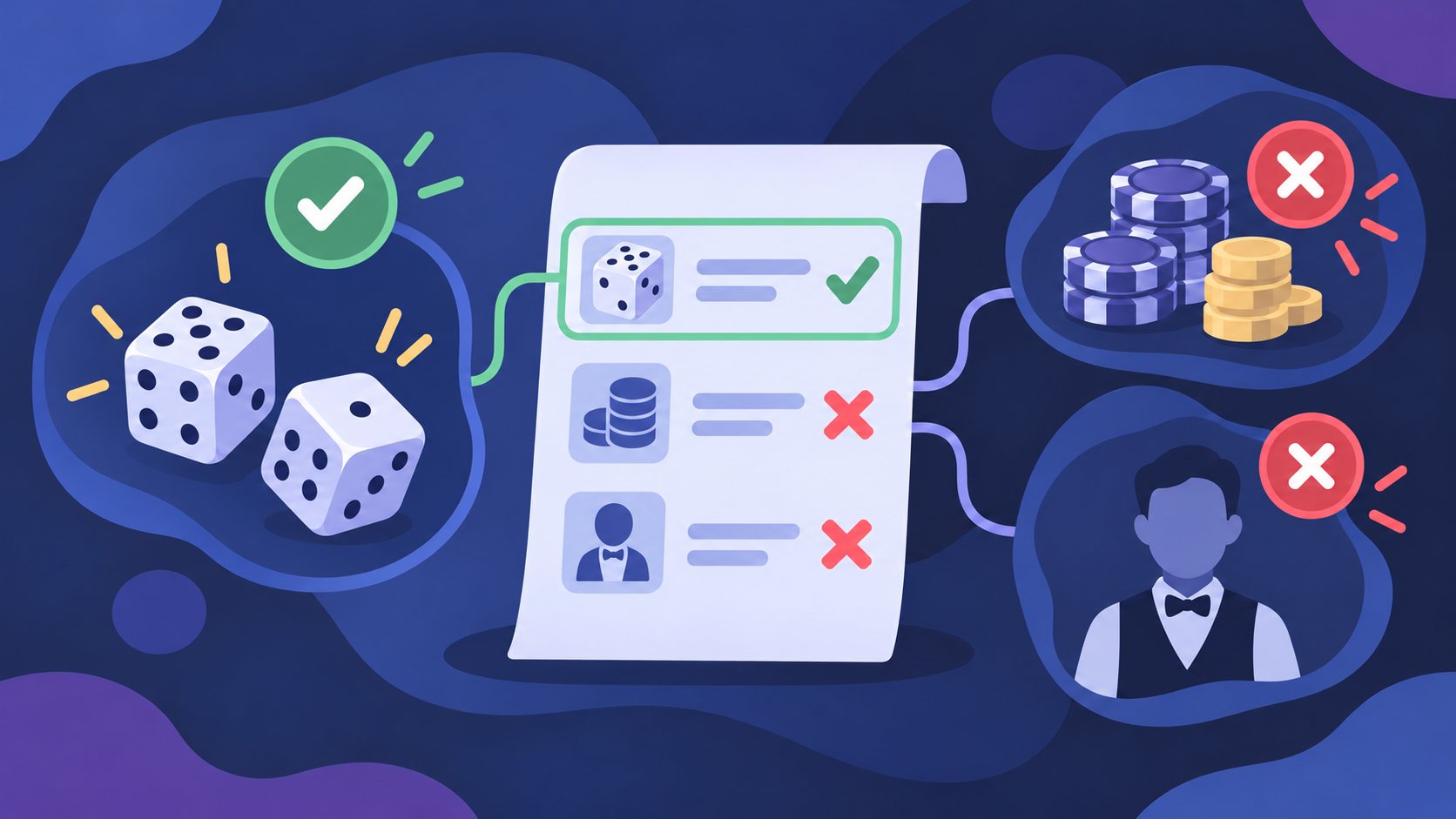
No. It is the first gate, not the last. A verified result from a desk that stalls withdrawals, hides its operator, or voids rounds after the click is still a loss. Pass the seed check, then check the terms, the operator, and the wallet setup.
Each player's move is sealed in a hash before the round ends, and you see your opponent's seal during the round. Afterwards both moves are revealed, and you check each one against its seal and its timestamp. It proves no one changed or saw a move early through the game. It does not prove what happens on the other player's device
Yes. A play wallet that only ever holds a fixed amount you can lose keeps the worst case known in advance. Move winnings out the same day, back to the wallet that never touches a game.
No. A balance you cannot see on chain is a promise, not a holding. Withdraw first, then decide what goes back in.
Anything asking for unlimited access to a token. That is more than a deposit. Cap approvals to what you are actually staking, or decline and use a site that asks for less.
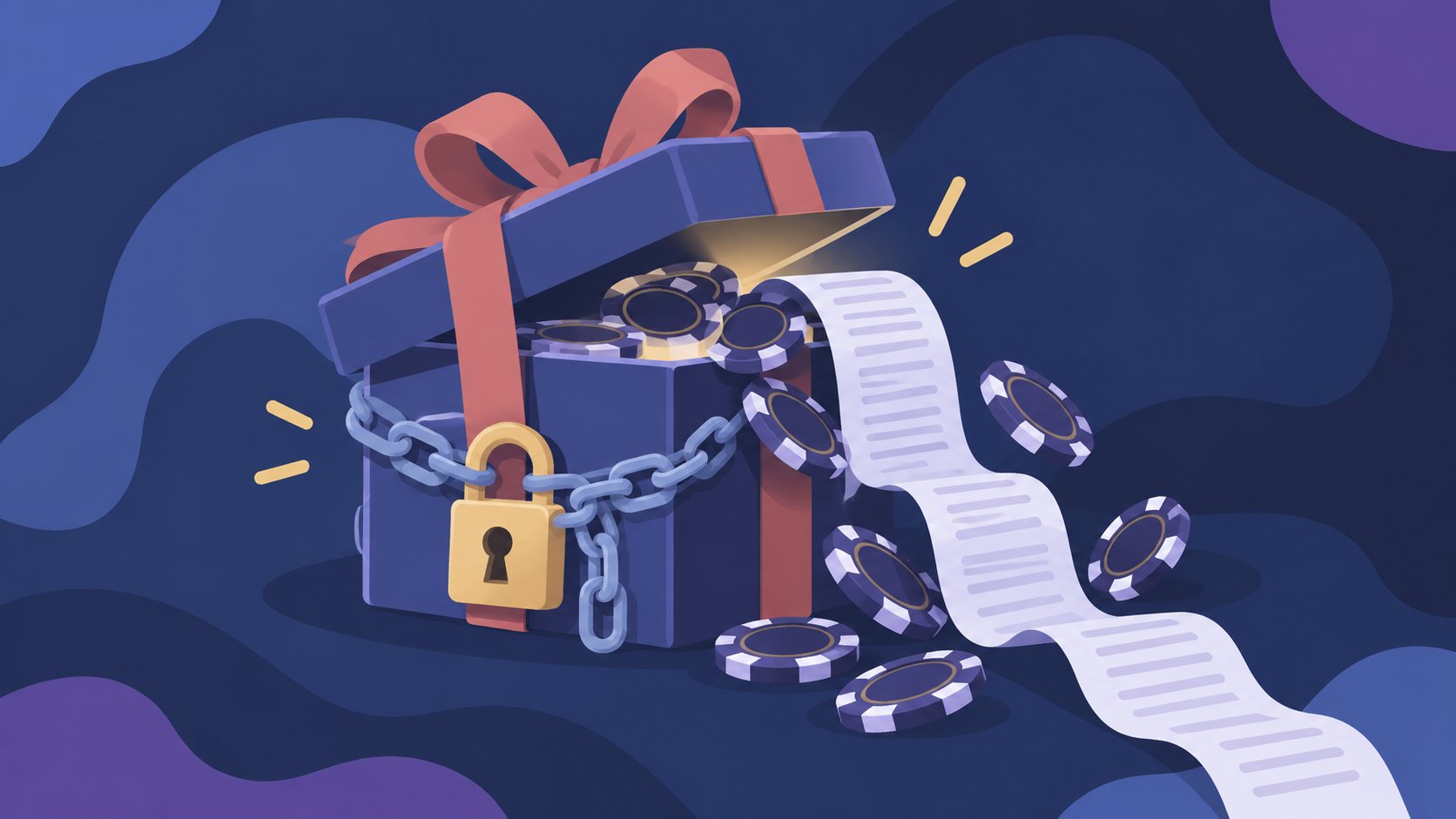
The multiple you must stake before bonus money can be withdrawn. A 100 bonus at 30x means 3,000 in stakes first. Some sites count the deposit too, which doubles the hill. Find the number before you opt in.
Only if the terms let it. Search for void, suspend, and cancel, and check who can use them and when. A round the house can void after the click is a round no seed check can save.
The operating entity named in the footer or terms, not the brand on the tab. One operator often runs many skins, and your history usually follows you across all of them.